
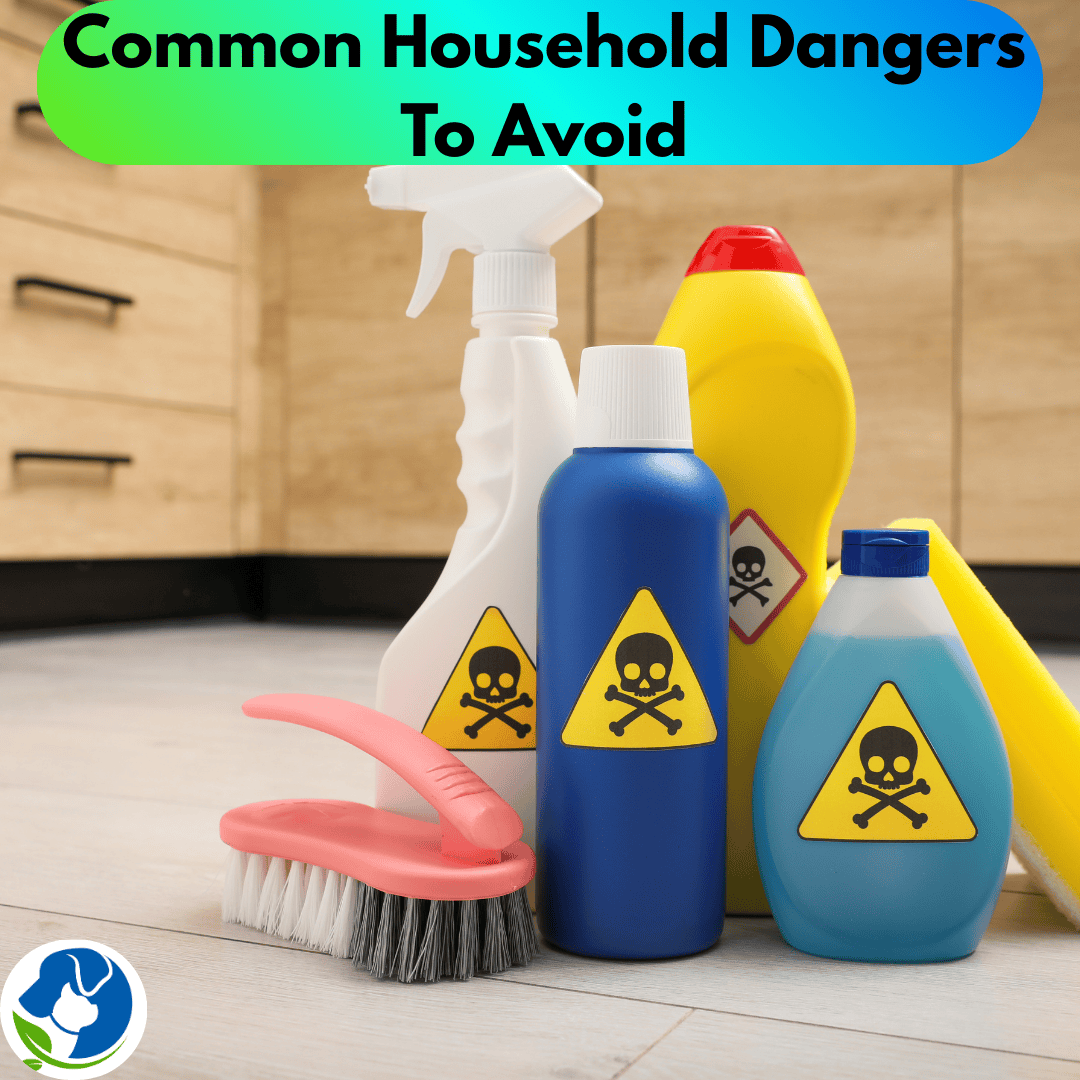
Protect your pets this March! Learn common poisons and how to keep your furry friends safe at home
March is National Pet Poison Prevention Month, making it the perfect time for Luzerne County pet owners to ensure their homes are safe havens for dogs, cats, and other furry companions. Pets are naturally curious, exploring new sights and smells, so it’s crucial to recognize common hazards lurking in everyday settings.
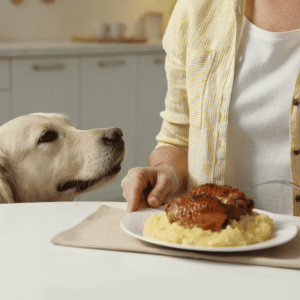
Food Hazards Every Pet Owner Should Know
Food Hazards Every Pet Owner Should Know
Many foods we enjoy are dangerous, even deadly, for pets. Chocolate (with its toxic theobromine) tops emergency room visits for dogs, while grapes, raisins, onions, garlic, and avocados can cause organ damage or even failure. Xylitol, a sweetener found in sugarless gum, certain peanut butters, and candy, can cause rapid insulin release, leading to hypoglycemia, seizures, and liver damage in dogs. Safeguard all snacks and ingredients, and teach family members to avoid feeding pets from the table.
Medication Risks in the Home
Human and veterinary medications are among the most common causes of accidental poisoning. Over-the-counter drugs like ibuprofen, acetaminophen, and cold medicines (as well as prescription antidepressants, ADHD treatments, and heart pills) can be fatal for both cats and dogs if ingested. Secure all medications in locked cabinets and keep daily pill organizers out of reach. Even pet-specific drugs must be dosed precisely, so call your veterinarian before offering anything new.
Household Cleaners and Chemical Dangers
Household Cleaners and Chemical Dangers
Spring cleaning is in full swing this month. But, many cleaning products contain compounds that can cause vomiting, respiratory distress, or worse if licked or inhaled. Bleach, toilet cleansers, laundry pods, and disinfectants should be locked up and stored on high shelves. Don’t forget garage products: antifreeze (ethylene glycol) is extremely dangerous but enticingly sweet to pets. Spills must be cleaned thoroughly and containers tightly sealed after each use.
Toxic Plants Indoors and Out
Plants brighten up homes in Northeastern PA. But, many plants are dangerously toxic to dogs and cats. Lilies pose an acute risk to cats, even a nibble or pollen exposure can lead to kidney failure. Other plants to avoid include tulips, daffodils, sago palms, azaleas, rhododendrons, and oleander. Pet owners should research new houseplants and double-check before landscaping or gifting bouquets. For a comprehensive list on which plants are toxic to pets, click here.
Yard and Garage Products: Hazards Beyond the Front Door
Yard and Garage Products: Hazards Beyond the Front Door
Garage and outdoor products can be pet poison hotspots. Antifreeze, fertilizers, slug bait, de-icers, and rodenticides can either attract pets or be carried indoors by investigating paws and noses. Always read product labels and fence off treated areas until they’re pet-safe. During muddy spring walks, using pet wipes and washing paws helps prevent accidental ingestion of salt, pesticides, or other residues.
Practical Tips to Prevent Poisoning
-
Lock away all medications, food, cleaning supplies, and chemical products.
-
Use pet-proof trash bins and clean up spills immediately.
-
Read labels on lawn care items and household products before use.
-
Check all plants for toxicity before purchase or planting; consult ASPCA’s list of pet-safe plants.
-
Supervise playtime outdoors and restrict access to newly treated lawns or puddles.
-
Educate your family and guests about what’s dangerous to pets.
Know the Signs of Poisoning
Be alert for symptoms including vomiting, diarrhea, drooling, tremors, lethargy, seizures, or sudden collapse. If you notice any of these after a suspected exposure, act quickly. Identify the substance, estimate the amount ingested, and call your veterinarian or the ASPCA Animal Poison Control Center (888-426-4435). Never induce vomiting or administer home remedies unless a professional instructs you to do so.
ParaMount Pet Care: Your Local Partner in Pet Safety
ParaMount Pet Care is committed to promoting pet wellness in Luzerne County. This March, take action to prevent pet poisonings and share these tips with your friends, family, and neighbors. Protecting pets is a community effort, and together we can make every home a safer place.

Hire The Pet Professionals Today!
Hire The Pet Professionals Today!
Looking for a trusted pet sitter? Look no further than ParaMount Pet Care, the top pet care team in Luzerne County! Our sitters are fully insured, bonded, and expertly trained in pet CPR and first aid. Additionally, every sitter is dedicated to giving your pets the love and care they deserve.
We offer a full range of services including in-home pet sitting, regular dog walking, overnight stays, and much more. Explore all our services by clicking here. Ready to get started? Become a client by clicking here or call us at 570-814-1037.
Follow us on Facebook and Instagram for daily adorable pet photos you won’t want to miss! We look forward to caring for your furry family members soon.
0 Comments